
The hardest part of comparing mobile app estimates is not the money. It is the fear that you are about to choose the wrong kind of team and only discover it after the first milestone.
A $12k proposal feels relieving until you wonder what is missing. An $80k proposal feels serious until you wonder whether the agency is padding the scope. Somewhere between those two numbers is the founder's real question: what does this build actually need in order to not embarrass us after launch?
That is the question worth answering. Not "how many screens do you have?" Not "do you want iOS and Android?" Those matter, but the deeper cost comes from risk: product uncertainty, backend assumptions, mobile polish, App Store readiness, motion quality, QA, and the number of decisions the founder has not had to make yet.
A $12k build should feel focused, not fragile
A $12k to $20k app can be a smart buy when the product is narrow. One platform. A small number of flows. A clear user journey. Limited backend complexity. A founder who knows what must ship and what can wait.
This is the right range for a focused MVP, a polished prototype, a launch-ready landing page plus mobile surface, or a first version where taste matters but the product is not trying to carry five businesses at once.
The emotional trap is that small budgets often make founders hopeful. "Maybe we can get the whole thing done." That hope is dangerous when it turns into a scope that includes native iOS, Android, admin tools, AI, subscriptions, analytics, onboarding, App Store screenshots, landing page, and post-launch iteration.
At that point, the budget has not solved the problem. It has just hidden the conflict until everyone is tired.
A $30k to $50k build buys ownership, not just more screens
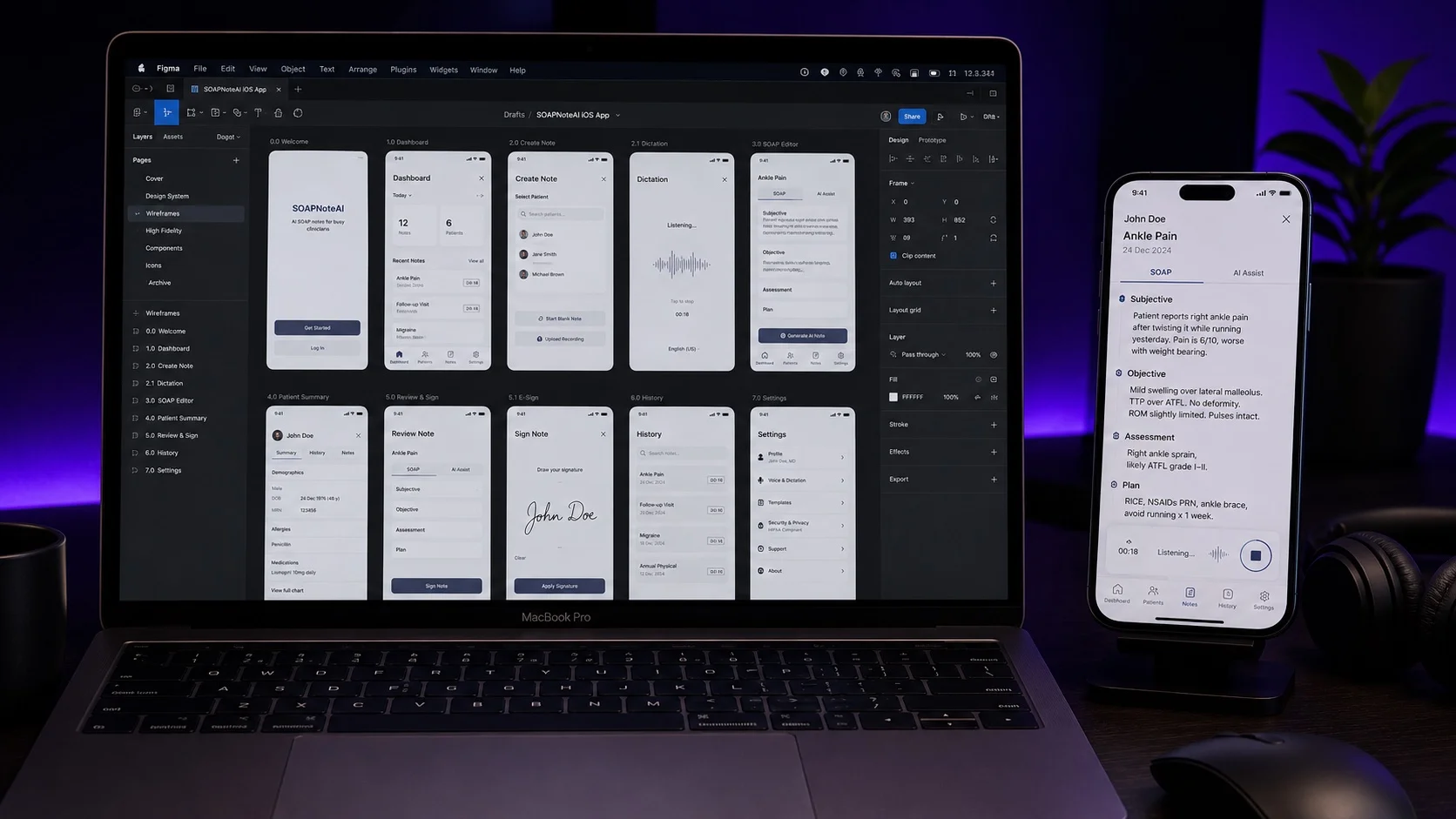
This is where many serious founder-led mobile products start to breathe. There is enough space for discovery, product design, mobile development, integration, QA, App Store prep, iteration and launch support.
The difference is not luxury. It is ownership. A good team in this range is not simply accepting a Figma file and typing until Friday. They are asking which decisions are risky, which features belong in v1, which workflows need to feel native, and where a tiny detail could damage trust.
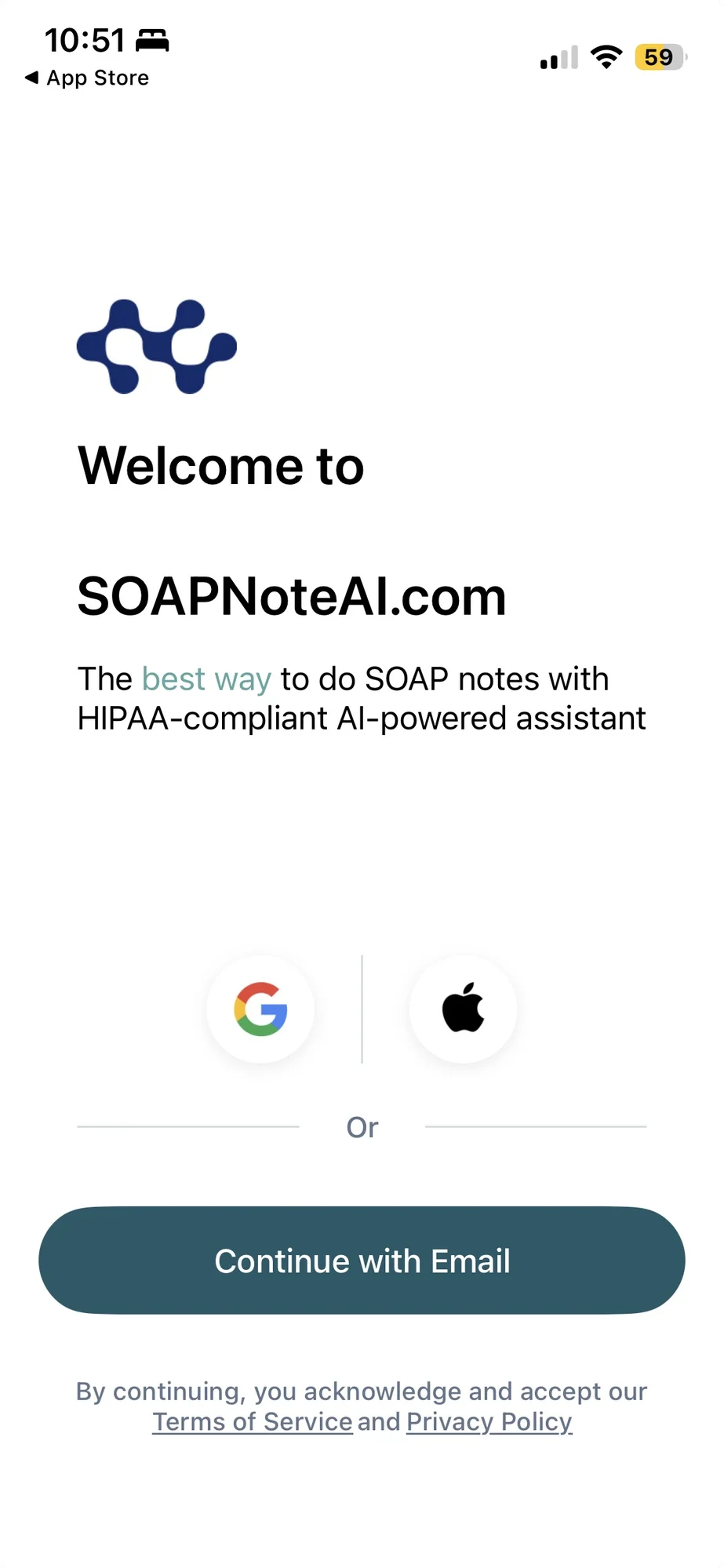
SOAPNoteAI is a useful reference. The founder already had a working web product. That sounds easier from the outside: "the product exists, just make the iOS app." But the real work was preserving existing user accounts, clinical note history, subscriptions and OIDC login while making the app feel like it belonged on iPhone and iPad.
That kind of build needs room for questions that do not appear in a screen count. What happens when a token expires mid-session? Does the backend assume a browser cookie? Which fields need native editing patterns? What should happen when a practitioner backgrounds the app during a real workflow?
| Budget range | What it can buy | What founders should watch |
|---|---|---|
| $12k-$20k | Focused MVP, one main platform, clear UI, limited integrations, clean launch support. | Scope pretending to include every feature from the future roadmap. |
| $30k-$50k | Product design, mobile development, API/auth work, QA, App Store prep and iteration. | Teams that still price it like screen production instead of product ownership. |
| $80k+ | Multi-platform work, regulated flows, AI, complex backend coordination and deeper launch readiness. | Big proposals with vague milestones and no named risks. |
An $80k build is expensive because coordination is expensive
Higher-budget mobile builds are not expensive because someone charges more per button. They are expensive because the work has more moving parts: native behavior, backend teams, payment flows, AI review, privacy decisions, staging environments, App Store notes, QA devices, screenshots, release planning and post-launch support.
Apple's review process also changes the emotional shape of the project. A founder can feel like the app is done because the build works on TestFlight, then remember that App Review still cares about performance, business logic, design quality, legal/privacy details and whether the app is ready for real users.
That is not paperwork. That is launch risk. If a team ignores it until the last week, the founder gets a very specific kind of stress: the product is almost public, marketing is waiting, and suddenly a non-obvious detail can slow the release.
In HealthTech or AI products, the edges get sharper. Logs, analytics, push notification payloads, SDKs, account deletion, user consent, generated content and token behavior can all become product work. The founder may have asked for "mobile app development", but the real job is protecting the product from avoidable trust failures.
A serious estimate should make the founder feel calmer because the risk is visible, not because the number is low.
Motion and polish are not decoration when the app is the brand
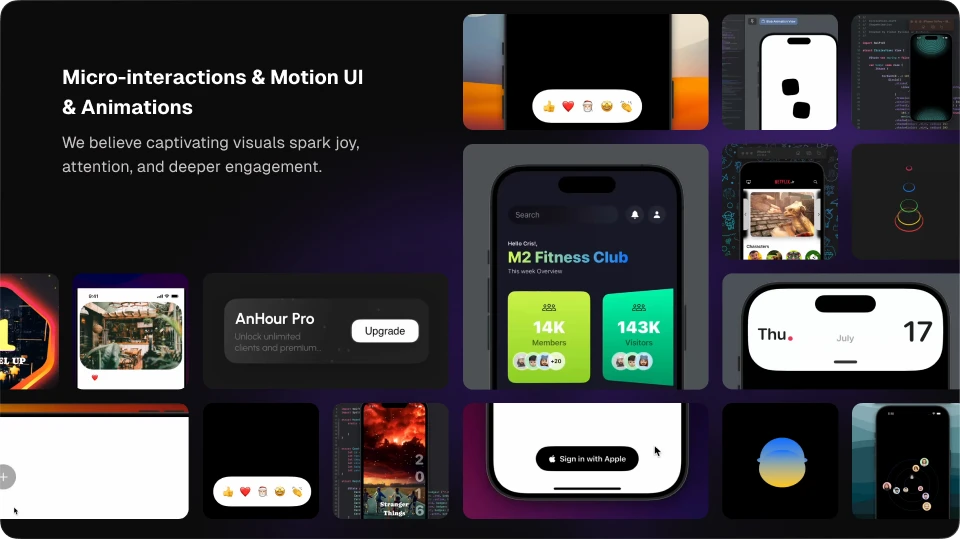
Many estimates treat motion, microinteractions and premium UI as optional finish. Sometimes they are. But for mobile products, especially consumer apps, creator tools, AI utilities and Apple-first experiences, the interaction layer is part of the product's credibility.
A screen can be technically correct and still feel cheap. The tap response can be too flat. The transition can feel careless. The loading state can make the app feel nervous. The empty state can make the product feel unfinished.
This is where Eightinity's taste matters. We care about native mobile development, but we also care about the feeling around it: the haptic after a successful action, the way a scanner result appears, the rhythm of a card expanding, the landing page animation that makes someone understand the product before reading the paragraph.
That work takes time. Not always a huge amount of time, but enough that it should be named in the scope. If you want an app to feel Apple-level, the estimate should include the interaction work that creates that feeling.
What we would ask before giving you a number
Before we price a build, we are trying to understand the emotional and operational risk behind the request. A founder usually comes with a feature list. We are listening for what would make the launch feel successful, stressful, or embarrassing.
- Is this a new product, or does it already have users who trust it?
- Do you need native iOS, React Native, Android, web, or a launch page around the app?
- Does the product need Apple-level motion, haptics or custom interaction design?
- Are auth, billing, backend APIs and user data already working somewhere else?
- Does the app touch medical, financial, family, child, location or other sensitive data?
- Who can make product decisions every week when trade-offs appear?
- What would make the first launch feel worth the money?
Our honest recommendation
If your idea is early, buy focus. Do not buy a giant feature list. A narrow mobile sprint with strong design can teach you more than an overbuilt first version.
If your product already has users, buy confidence. Pay for product ownership, integration thinking, QA, motion polish and a team that is willing to tell you which parts are risky before they become expensive.
If the app is the brand, do not treat interaction quality as a leftover. The difference between "it works" and "people trust it" often lives in details that never show up in the cheapest estimate.
FAQ
How much does it cost to build a mobile app in 2026?
Most founder-led mobile apps fall between $12k and $80k+. A focused single-platform MVP sits around $12k–$20k, a serious product build with design, integration, and QA runs $30k–$50k, and multi-platform, regulated, or AI-heavy builds start at $80k. Risk and coordination drive the number, not screen count.
What can I get for a $12k mobile app budget?
A focused MVP: one platform, a small number of flows, a clear user journey, and limited backend complexity. It works when the first release is intentionally narrow. The trap is stretching $12k across native iOS, Android, AI, subscriptions, and admin tools, which hides scope conflict until everyone is tired.
Why do mobile app estimates vary so much?
Because the real cost lives in risk, not screens: authentication, billing, App Store review, offline behavior, backend assumptions, and whether the app is the brand. A serious estimate names those risks. A cheap one that omits what is excluded is an argument scheduled for later.
Does a HealthTech or AI app cost more to build?
Usually yes. Logs, analytics, push payloads, account deletion, user consent, and generated content all become product work in regulated or AI products. The job is protecting the product from avoidable trust failures, which adds QA, privacy, and compliance time beyond the visible feature list.
Trying to understand what your mobile app should cost? Book a free 30-min scoping call →